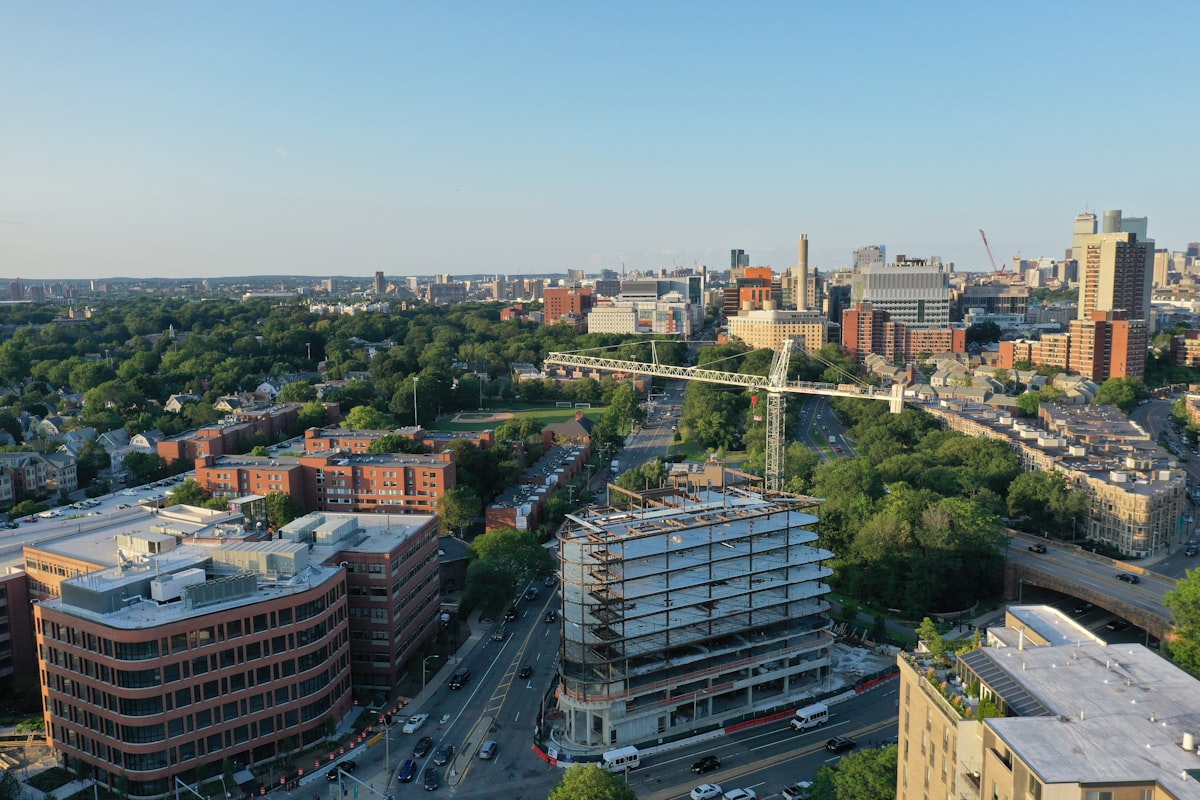
Nonresidential Spending Flat in January as Data Centers Surge
This ABC analysis of U.S. Census Bureau data covers January nonresidential construction spending, which came in essentially flat at $1.245 trillion on a seasonally adjusted annualized basis. Private nonresidential spending declined for the fourth consecutive month. The one exception: data center construction, which posted a sharp increase. Public spending provided most of the stability. The piece is useful context for GCs tracking where bid opportunities are concentrating sector by sector.
Four straight months of private nonresidential softening is not noise. It’s a signal that owners are slowing commitments, which means the project pipeline for mid-market GCs is thinning in most categories outside hyperscale tech. The data center spike is real, but that work is concentrated in a small group of qualified contractors with the MEP depth and security clearance infrastructure to compete. Most GCs chasing that sector are chasing a door that’s already closed. The smarter move is to look hard at what public spending categories are still moving and get subcontractor coverage in place before those bids hit the street.
Read the full story at Construction Executive.
Newsletter
The weekly read for GC estimators.
Industry news, platform updates, and tutorials, every Friday. No filler.
Related Articles
June 15, 2026
Why Storytelling Is Now a Bid Strategy for GCs
Construction marketing has shifted from credentials to narrative. Here's what that means for GCs trying to win work in a crowded, competitive bid environment.
June 13, 2026
Why GCs Are Moving to Subscription-Based Construction Tech
Subscription platforms are replacing one-time software purchases on job sites. Here's what that shift means for GC estimators and preconstruction teams.
June 12, 2026
Construction Materials Up 2.6% in May, Nearly 10% Year Over Year
Construction input prices jumped 2.6% in May and are up nearly 10% year over year. Here's what that means for GC estimators building budgets right now.