Why GC Estimators Underprice General Conditions Every Time

Co-Founder, Comms Center
Zack has spent 10 years in commercial construction, working closely with GC estimators on subcontractor bid management and project communications. We built Comms Center to fix the coordination problems he saw firsthand.
The number gets cut in the last 20 minutes before submission. Not because anyone analyzed it. Because it was the easiest place to sharpen the pencil without touching a sub’s number. General conditions absorb the pain of a competitive bid, and nobody talks about it until the project is six months in and the superintendent is asking why there’s no money left for a second foreman.
This is not a rounding error. It’s a structural habit at most GC firms, and it costs real money on almost every job that runs longer than six months.
The Line Items Aren’t the Problem
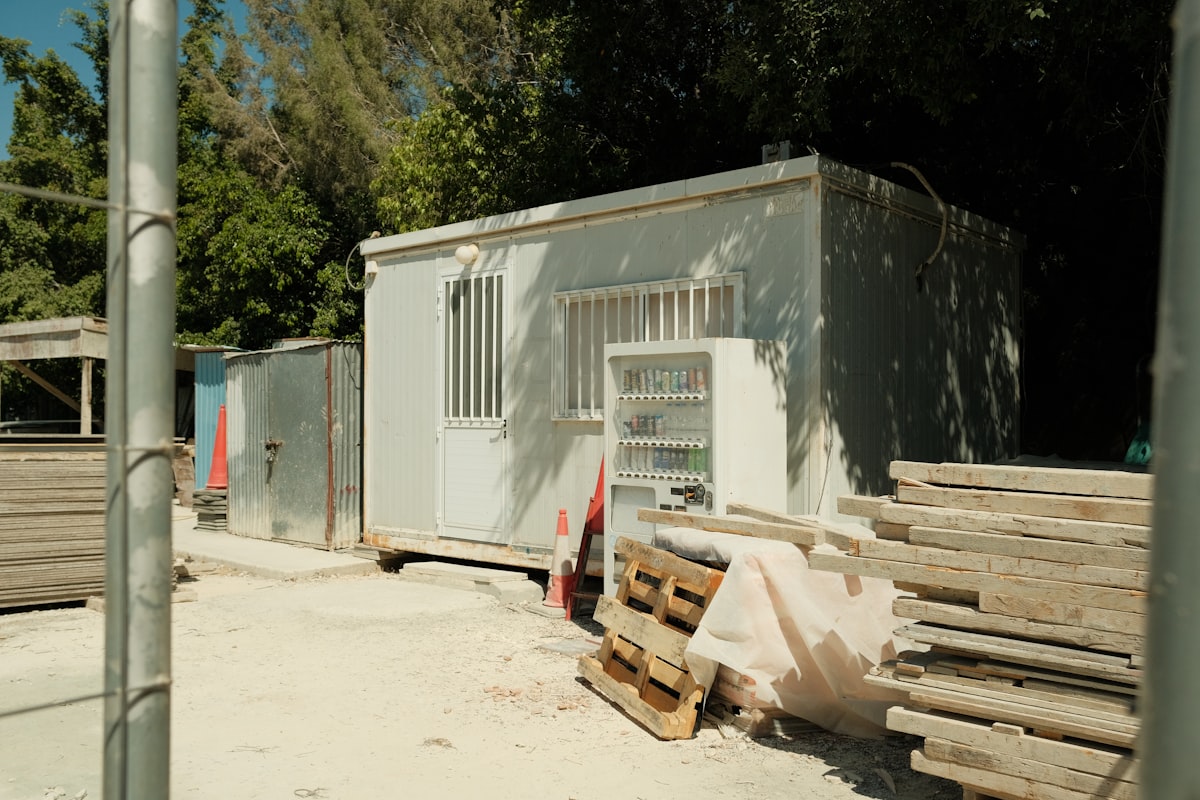
Most estimators know what belongs on the list: superintendent, project manager, jobsite trailer, temporary utilities, site signage, dumpsters, porta-johns, safety equipment, small tools, final clean. The problem isn’t the list. It’s the duration assumption behind every line on it.
General conditions are almost entirely time-dependent. A superintendent at $2,800 per week costs $72,800 over six months. At nine months, that’s $109,200. The difference is $36,400, and that gap gets created the moment you plug in an optimistic schedule to keep your number competitive. The sub prices don’t change. The GC overhead does. That’s the exposure.
On top of duration risk, most estimates carry a single superintendent through substantial completion with no allowance for overlap during a busy mid-project stretch or a commissioning push at the end. On a $12 million job with a complex close-out, the last 60 days alone can consume 30% of the general conditions budget. If you didn’t build that in, you’re funding it from somewhere else, usually contingency that was already thin.
Temporary utilities are the other chronic miss. Estimators pull a round number based on the last job’s actuals, without accounting for the building type, the local rate structure, or what phase the work is in. A concrete pour in February runs more power and more heat than the same pour in May. That delta adds up fast.
The Number That’s Easiest to Shave
General conditions feel like an internal number. Subs don’t see it. The owner doesn’t usually interrogate it. In a competitive bid, it’s the variable that moves without creating an obvious gap in coverage, and estimators know it.
The deeper issue is that general conditions are genuinely hard to defend in a room where everyone is focused on sub coverage and unit costs. An estimator who wants to add $40,000 to the superintendent line has to argue for a schedule assumption that the PM may not disagree with and the owner definitely doesn’t want to hear. It’s easier to shrug and call it competitive.
That’s the mistake. General conditions are not a negotiating chip, they’re an operating budget. Cutting them doesn’t improve the estimate; it just delays the conversation about where the money went. That conversation happens at buyout, or six months later when the job is over budget and the post-mortem starts. The estimator who holds the line on duration is doing more to protect the project than anyone in that room.
For a closer look at how these cost gaps can affect your financing structure, the article on how GC preconstruction quality affects your loan draw schedule is worth reading before you finalize any GMP.
Where the Reckoning Arrives
Buyout is when it catches up with you. The sub numbers are locked, the schedule is set, and the PM is building out the cost-to-complete. That’s the first moment someone looks at the general conditions budget against the actual burn rate and realizes the math doesn’t work.
If the schedule slips three months, including for reasons that aren’t your fault, that superintendent cost comes out of somewhere. So does the extended trailer rental, the additional utility bills, and the safety inspections that weren’t in the original count. There’s no sub to call and no change order to write. It’s just overhead running against a budget that was cut before the job started.
The projects that quietly lose money without a clear culprit are almost always general-conditions problems in disguise. The subs performed. The work got done. But the job still came in over, and nobody can point to a single decision that caused it. The decision was made at submission, 20 minutes before the deadline, when someone moved the superintendent duration from 38 weeks to 32 and called it done.
The fix is discipline, not formula. Build the schedule first, then price the general conditions against it. Apply a minimum 10% duration buffer to any project with phased occupancy, complex MEP coordination, or an owner who has changed scope before. Know which line items are fixed and which ones scale. Treat the general conditions as seriously as you treat the sub bid red flags that signal change orders are coming, because both are telling you where the money leaves.
Comms Center keeps your bid history organized so you can see what general conditions actually cost on closed projects, not what you budgeted. When the next estimate is live, that data is a phone call away, not buried in a folder from two years ago. Learn more at commscenter.com.
Frequently Asked Questions
- What percentage of a GC's total bid should general conditions represent?
- It varies by project type and duration, but most mid-size commercial GCs run general conditions between 6% and 12% of the total project cost. Heavy MEP coordination, phased occupancy, or remote sites push that number higher. If your number is consistently below 6%, look hard at your schedule assumptions before you submit.
- Why do general conditions overruns happen even when projects finish on time?
- On-time doesn't mean on-budget for overhead. A project that finishes on the original date but required a second superintendent for three months during the structural push, or added temporary heat during an unexpected cold stretch, can still blow the general conditions budget. Duration is only one variable. Staffing depth and utility consumption matter just as much.
- How should GCs use historical data to price general conditions more accurately?
- Pull actuals from at least three similar closed projects, not the estimates, the final cost reports. Look at superintendent weeks billed, utility costs per month, and how far the actual schedule ran from the original baseline. Use that range to pressure-test your current assumptions before submission. If your estimate is at the low end of what similar jobs actually cost, that's a red flag.
Newsletter
The weekly read for GC estimators.
Industry news, platform updates, and tutorials, every Friday. No filler.
Related Articles

June 15, 2026
How to Resolve Sub Scope Overlap Before It Becomes a Change Order
Scope overlap between two subs will cost you. Here's how GC estimators catch it early and assign it clearly before it turns into a dispute.

June 12, 2026
Why GCs Lose Money Self-Performing Scopes Without Realizing It
GCs often self-perform to save money, but hidden labor, overhead, and scope drift costs eat that margin fast. Here's where the losses actually happen.

June 10, 2026
How to Write a Scope Sheet That Controls What Subs Bid
Learn how to write a subcontractor scope sheet that eliminates gaps, aligns bids, and protects your estimate from exploding at buyout.